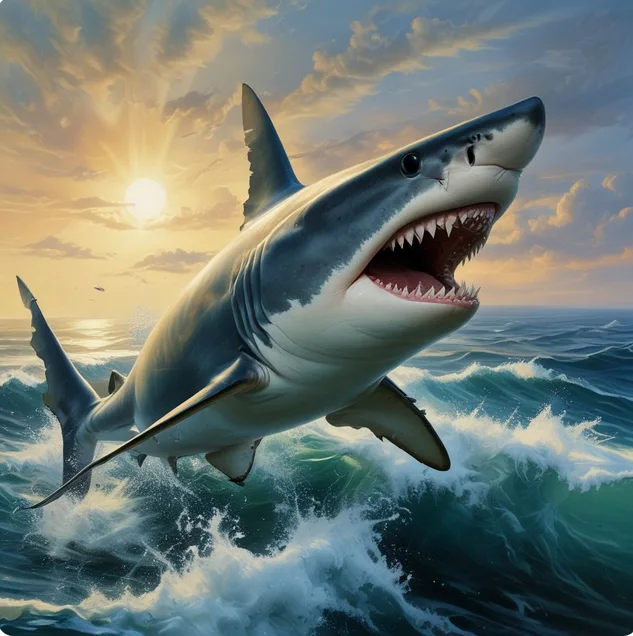

Have you ever felt a mix of awe and fear thinking about sharks gliding silently through the ocean, sensing prey from miles away? 🦈
Sharks are among the most efficient predators on the planet, and some of these facts about their hunting instincts will blow your mind. From surprising sensory adaptations to jaw-dropping hunting strategies, sharks are far more complex than their fearsome reputation suggests.
You might think all sharks are mindless killers—but in reality, their hunting is a finely tuned combination of instinct, experience, and incredible biological design. Understanding these instincts will make you look at these apex predators in a completely new way.
How Sharks Hunt: The Science Behind the Instinct
Sharks rely on a combination of sensory systems to detect prey. Their highly developed ampullae of Lorenzini allow them to sense electrical fields generated by other animals, while their keen sense of smell can detect blood in the water from miles away. 🧬
Moreover, sharks use stealth, patience, and precision. Some species, like the great white shark, rely on a sudden burst of speed to ambush prey, whereas others, like the hammerhead, use their uniquely shaped heads to scan the ocean floor for hidden food. It’s hunting perfection honed over millions of years of evolution.
5 Fascinating Facts About Shark Hunting Instincts
1. Sharks Can Detect a Drop of Blood in the Ocean
Even a tiny amount of blood can trigger a shark’s hunting response. This extraordinary sense of smell helps them locate injured or vulnerable prey quickly. 🩸
2. They Sense Electrical Fields
Through special organs called ampullae of Lorenzini, sharks detect the faint electrical signals emitted by other animals. This helps them hunt even in complete darkness. ⚡
3. Sharks Use Stealth and Surprise
Many sharks rely on ambush tactics. They swim silently below or behind prey and strike with a sudden burst of speed, making them incredibly efficient hunters. 🏹
4. Different Species Hunt Differently
Not all sharks hunt the same way. Tiger sharks are opportunistic feeders, great whites use ambush attacks, and hammerheads often employ their unique head shape to locate hidden prey. 🌊
5. Hunting Is Not Just About Food
Sharks also learn from experience. Juvenile sharks practice hunting on small prey, gradually honing the instincts they need as adults. This combination of instinct and learning is what makes them apex predators. 🧠
Fun and Surprising Shark Behaviors
Sharks are more than just hunters—they display complex behaviors that show strategy, curiosity, and intelligence. Some species follow migratory patterns of prey, while others work cooperatively in small groups during feeding. Observing sharks in the wild reveals patience and precision rarely seen in terrestrial predators.
Certain sharks even exhibit playful behavior, such as investigating floating objects or interacting with divers, showing that these predators have personalities beyond their hunting instincts. 🦈
Mini Teaser: Let’s Dive Into Shark Sensory Secrets
Some of the adaptations that make sharks incredible hunters are truly mind-blowing. From sensing electrical signals to explosive bursts of speed, their instincts are finely tuned survival tools. Some of these facts will blow your mind, and you won’t believe how specialized they are!
FAQs About Sharks and Their Hunting Instincts
Q1: How far can sharks smell prey?
A: Some sharks can detect blood in the water from up to a mile away, making them highly efficient hunters.
Q2: What is the ampullae of Lorenzini?
A: It’s a specialized sensory organ that detects the electrical fields produced by living creatures, helping sharks locate hidden prey.
Q3: Are all sharks dangerous to humans?
A: No, only a few species pose a threat to humans. Most sharks focus on fish and marine mammals.
Q4: How do sharks ambush prey?
A: Many sharks approach silently from below or behind, using speed and surprise to capture their target efficiently.
Q5: Do sharks hunt alone or in groups?
A: Most sharks hunt alone, but some species, like certain reef sharks, may hunt cooperatively in small numbers.
Q6: Can sharks learn from past hunting experiences?
A: Yes! Juvenile sharks often practice on smaller prey, and adults refine their hunting techniques based on experience.
Wrap-Up: Appreciating the Ocean’s Apex Hunters
Sharks are not just fearsome predators—they are highly adapted, strategic, and intelligent hunters that play a crucial role in marine ecosystems. By understanding their instincts, we can admire these incredible animals beyond the myths and fears.
Have you ever observed sharks in the wild or in aquariums? Share your experiences in the comments—it’s fascinating to see how these apex predators operate up close! 🌊🦈


