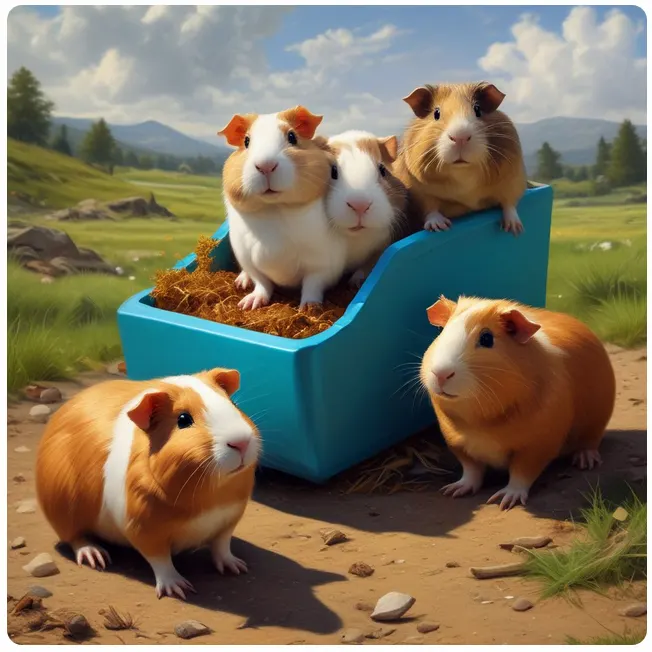

Have you ever noticed your guinea pig chattering, squeaking, or rubbing noses with its cage mate and wondered what’s really going on? 🐹
These small creatures are full of personality, and some of these facts about guinea pigs’ social behavior will blow your mind. From surprising communication cues to strong emotional bonds, guinea pigs are far more complex than most people imagine.
You might think they’re just cute little pets that sit quietly in their cages—but their social lives are rich, full of interactions, and sometimes even dramatic! Understanding these behaviors can transform the way you connect with your tiny companion.
Why Guinea Pigs Are Social Animals
Guinea pigs are naturally herd animals, meaning they thrive in the company of their own kind. Isolation can lead to stress, depression, or even physical illness. They communicate using a range of sounds and body language, from purring softly to alert squeaks, which conveys their feelings and intentions. By observing these signals, owners can respond in ways that strengthen the bond with their pets. 🐾
Interestingly, guinea pigs also recognize individual humans and may develop preferences for the person who feeds or handles them most gently. This deepens the social connection even across species.
5 Fascinating Facts About Guinea Pigs’ Social Behavior
1. Guinea Pigs Have a Complex Vocal Language
From purrs of contentment to loud alarm calls, guinea pigs have an expressive vocal repertoire. Learning what each sound means can make you feel like you truly understand their little world. 🎶
2. Nose-Rubbing is a Sign of Friendship
When two guinea pigs rub noses, it’s often a friendly greeting or a way to bond. It’s their version of a handshake—or a hug in tiny, furry form! 🤗
3. They Thrive in Groups
Guinea pigs are happiest when they live with at least one other guinea pig. Companionship reduces stress and promotes playful behaviors, like chasing and squeaking together. 👫
4. Grooming Shows Affection
Mutual grooming is a key part of guinea pigs’ social behavior. When they clean each other, it strengthens social bonds and indicates trust and comfort. 🧼
5. Guinea Pigs Remember Social Experiences
Guinea pigs can remember interactions with other guinea pigs and humans. Positive experiences make them more confident, while negative ones can cause lasting stress. 🧠
Fun Guinea Pig Habits to Observe
Guinea pigs’ social habits extend beyond sounds and grooming. They engage in playful chases, communal feeding, and even synchronized resting. Watching these interactions can reveal their personalities, from shy observers to outgoing adventurers.
Sometimes they even display quirky behaviors like “popcorning”—jumping and twisting in the air when excited. It’s a joyful social expression that owners often find irresistibly entertaining! 🐾
Mini Teaser: Let’s Dive Into Guinea Pig Social Dynamics
Some social behaviors of guinea pigs are surprisingly complex. From communicating emotions to establishing hierarchy, understanding these little signals will give you a deeper appreciation for your pets. Some of these facts will blow your mind, and you won’t believe how much they interact without speaking a single word.
FAQs About Guinea Pigs and Their Social Behavior
Q1: Can guinea pigs live alone?
A: While it’s possible, living alone can cause stress and loneliness. They thrive in pairs or small groups for better mental and physical health.
Q2: What does it mean when guinea pigs purr?
A: Purring can indicate contentment, but sometimes it signals annoyance or mild stress. Context and body language matter.
Q3: Why do guinea pigs chatter their teeth?
A: Teeth chattering usually indicates agitation or mild aggression. Pay attention to other signals before intervening.
Q4: How do guinea pigs greet each other?
A: Nose rubbing, sniffing, and gentle nuzzling are common friendly greetings among guinea pigs.
Q5: Do guinea pigs bond with humans?
A: Yes! Guinea pigs can recognize and prefer specific humans, especially those who feed and handle them gently.
Q6: How can I encourage positive social behavior in guinea pigs?
A: Provide companions, a spacious cage, hiding spots, and regular gentle interaction to promote healthy socialization.
Wrap-Up: Building a Strong Bond With Your Guinea Pigs
Understanding guinea pigs’ social behavior is the key to happy, healthy pets. By observing their interactions, responding to their cues, and providing companionship, you can create a loving environment where they thrive.
Do your guinea pigs have quirky social habits that make you smile? Share your stories in the comments—it’s amazing how much personality these tiny friends can pack into their little bodies! 🐹💛


